
Key Takeaways:
- AI has dramatically accelerated translation, but the primary localization bottleneck has shifted to human review, approvals, coordination, and quality assurance processes.
- As AI-generated content volume increases, organizations face growing risks from overlooked errors, review backlogs, and inconsistent workflows that can reduce the expected return on AI investments.
- The companies that benefit most from AI translation are those that redesign their review and governance workflows with clear ownership, risk-based oversight, and better process automation, not those that simply translate faster.
Two years ago, translation was often the slowest part of going global. A product launch could sit in a translation queue for weeks while translators worked through content line by line.
That’s no longer the case. Large language models can generate multilingual draft translations in seconds, and most localization teams now use some form of AI translation in their workflow. Industry estimates value the AI translation market at roughly USD 3.5 to 4 billion in 2026, with projections reaching USD 8 to 10 billion by 2030. A recent enterprise survey also found that approximately 95% of organizations are already using AI or machine translation somewhere in their content workflows.
Those numbers make it easy to think the problem has been solved. If translation is now fast, shouldn’t global content delivery be fast too?
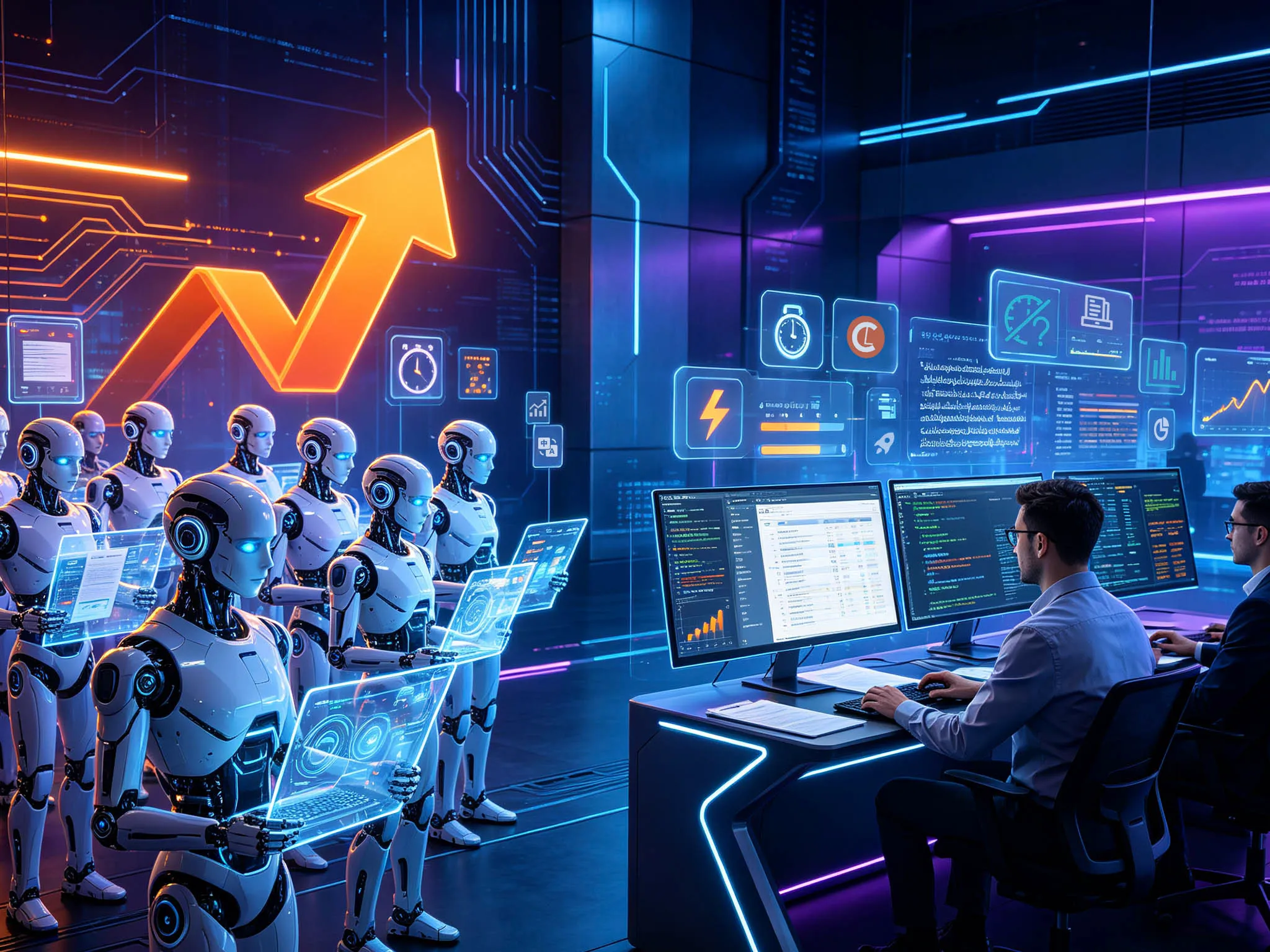
Not quite. Making one part of a process faster doesn’t make the whole process faster. It simply shifts the bottleneck elsewhere. In localization, that bottleneck has moved to human review, stakeholder approvals, and quality assurance. These parts of the workflow were never designed to handle ten times more content.
This is the challenge many companies face today. They’ve invested in faster translation, but review, coordination, and QA still operate at the same pace. The result isn’t faster localization. It’s the same bottleneck, just further down the process.
Where the Pressure Accumulates in AI-Accelerated Localization
The first place the pressure shows up is in review. When AI produces more translated content, more content needs human review, but reviewers don’t get more time. Backlogs build up quickly, often without anyone noticing at first, because the goal of the AI investment was to move faster, not create a new review bottleneck.
There’s another problem hidden inside that backlog: AI-generated drafts often read well. The grammar is fluent, the sentences are clear, and the formatting is consistent. As a result, obvious mistakes become rare and easy to spot. But factual errors, process mistakes, and incorrect terminology can be harder to catch because the text looks correct at first glance. Reviews of technical and regulated content have found that this can actually slow review down, especially in the areas where mistakes carry the greatest risk.
Coordination becomes harder as content volume grows. Subject matter experts, legal teams, and local marketing teams that once reviewed a manageable amount of content now have much more to handle. Every new market, content format, and content type adds another review, approval, or handoff. As those steps accumulate, projects become more likely to slow down while waiting for someone to take action.
Version control makes these challenges even harder. When five languages move through review at the same time, each with its own comments, edits, and approval status, keeping track of the latest version can become a full-time task. Quality assurance teams, which serve as the final check for brand and regulatory consistency, are expected to maintain those standards across more markets and more channels without additional headcount.
Why Faster Translation Can Actually Increase Localization Costs and Risks
None of this comes for free. When review processes lack clear rules about who reviews content, when they review it, and what standards they use, review cycles often get longer instead of shorter. A process that should take two days can take two weeks, not because translation was slow, but because no one is responsible for making the final approval decision.
Higher content volume also creates new risks. A recent evaluation of major language models across eleven language pairs found translation hallucination rates ranging from roughly one-third to nearly 60%, depending on the model and language combination. At lower volumes, translation teams can often catch these errors through careful spot checks. At ten times the volume, that becomes much harder. Inconsistent terminology, factual errors, or a mistranslated compliance requirement can slip into a live product or regulated market.
There’s also a visibility problem. When translation was the bottleneck, delays were easy to spot and easy to attribute to a vendor. Today, the bottleneck often sits inside the organization, spread across legal, product marketing, regional teams, and reviewers. That makes delays harder to diagnose and easier to ignore. A delayed launch used to have an obvious cause. Now it may have several.
The financial impact is often a lower return on the AI investment than companies expected. Organizations budget for faster translation, but many don’t budget for the additional review capacity that speed creates. This isn’t a hypothetical problem. In a 2025 Slator survey, 84% of language service buyers said they had specifically requested more human editing of AI-translated content. That suggests the market already recognizes that AI doesn’t eliminate human work. It changes where that work happens. Post-editing can reduce translation time by more than 60% compared with translating from scratch, but those gains disappear if review processes are poorly managed and content simply accumulates in review queues.
Redesigning the Localization Workflow for the AI Era
The solution isn’t to slow down translation. It’s to give review the same level of attention and planning that companies already give to translation technology.
The first step is adopting a risk-based review model. Not every piece of content needs the same level of scrutiny. A marketing tagline and a medical device instruction manual carry very different risks if something goes wrong. Treating them the same wastes reviewer time on low-risk content while leaving high-risk content without the attention it needs. Regulators increasingly recognize this distinction. For example, the EU AI Act requires documented and accountable human oversight for high-risk AI systems rather than simple sign-off processes. That same principle can help localization teams design more effective review workflows.
Clear ownership matters just as much as risk-based review. Every piece of content should have a designated reviewer, a clear escalation path if problems are identified, and a defined point at which the content is considered final. Without that structure, responsibility becomes unclear. When everyone is responsible for quality, no one truly owns it.
realme’s experience highlights the importance of workflow design. As the smartphone brand expanded into 61 markets and surpassed 100 million units shipped, regional brand and PR teams managed translation through a mix of priorities and vendors without a shared system. What the company needed was not simply faster translation. It needed a shared glossary, consistent language across markets, and meaningful quality measurements. The company wanted visibility into quality feedback and communication processes, not just turnaround times. Those are workflow decisions, not translation decisions. They ultimately determine whether faster translation leads to faster, more consistent global content delivery.
Finally, the right tools can reduce much of the administrative work that slows teams down. Quality management platforms that automatically route content, track version history, and highlight sections that need human review can significantly reduce coordination effort. The goal is not to eliminate human review. High-risk and regulated content still requires qualified people to make final decisions. The goal is to stop spending valuable time on routing content, chasing approvals, and reconciling versions so reviewers can focus on the judgment and expertise that only humans can provide.
Conclusion: The Competitive Advantage Is Workflow, Not Translation Speed
AI has largely solved the translation speed problem. That’s a significant achievement. But translation speed was never the entire challenge. Localization success depends on how quickly content moves from draft to review, approval, and publication. And that depends more on workflow design than on the AI model generating the first draft.
Companies that redesign their review, approval, and QA processes to match today’s translation speeds will capture the full value of their AI investment. They’ll launch in new markets faster, maintain a more consistent brand voice, and reduce the risk of costly mistakes in regulated or high-visibility markets. Companies that don’t will continue investing in faster translation while seeing little improvement in actual time to market, because the bottleneck has simply moved.
The bottleneck was never really about language. It’s about how well an organization coordinates people, decisions, and content at scale. AI transformed the first step of that process. The rest still depends on workflow.
Looking to build a localization strategy that scales beyond translation? Explore Clearly Local’s end-to-end localization services to streamline global content delivery with confidence.
FAQs
AI translation significantly speeds up the translation step by generating multilingual drafts in seconds, but it does not automatically accelerate the entire localization process. The overall speed of localization still depends on how quickly content moves through review, approval, stakeholder coordination, quality assurance, and publication. As a result, many organizations find that the bottleneck simply shifts from translation to downstream workflow activities.
Localization remains slow because human review, legal checks, subject matter expert validation, stakeholder approvals, and version management were not designed to handle the dramatic increase in content volume that AI enables. Even when translations are delivered instantly, content can sit in review queues waiting for decisions, feedback, or final approval, delaying time to market.
Yes. Although AI-generated translations are often fluent and well formatted, they can still contain terminology errors, factual inaccuracies, process mistakes, or hallucinations that may be difficult to detect because the text appears credible. Human reviewers remain essential, especially for technical, regulated, legal, medical, or high-visibility content where errors can create substantial business or compliance risks.
Without workflow redesign, organizations often experience longer review cycles, growing content backlogs, increased coordination effort, higher quality risks, and the need for more human post-editing than originally expected. These issues can reduce the return on AI investments because translation becomes faster while review capacity remains unchanged, causing work to accumulate further down the process.
Companies should adopt risk-based review models that apply greater scrutiny to high-risk content, establish clear ownership and escalation paths, define approval responsibilities, and use tools that automate routing, version tracking, and review management. The goal is to ensure reviewers spend their time making informed quality decisions rather than managing administrative tasks and chasing approvals.
Look for a partner that offers more than fast AI translation by providing structured review workflows, quality management systems, terminology governance, version control, measurable quality standards, and strong coordination across stakeholders. The best localization partners help organizations manage the entire content lifecycle, ensuring that increased translation speed translates into faster, higher-quality global content delivery.